Narrated in English, with English subtitles. The pictures are illustrations; Scripture is quoted from the ASV. See the full article below.
- 1Know first, then doBefore doing, we need to understand what God’s will is.Hosea 4:6Matthew 7:21
- 2Read literally, how do we do it?A cloak, a plucked-out eye: stop at the letter and we don’t know where to begin.Matthew 5:40Matthew 5:292 Corinthians 3:6
- 3The veil over the eyes of the heartWhen the heart turns to the Lord, the veil is taken away.2 Corinthians 3:14–162 Corinthians 3:17
- 4Nicodemus: he saw signs, but not the kingdomSigns can be seen with the eyes; the kingdom of God takes the eyes of the spirit.John 3:1John 3:3Matthew 7:22
- 5The blind guiding the blind: first admit we cannot seeThe real trouble is not knowing that we cannot see.Matthew 15:14Revelation 3:17
- 6The eye is the lamp of the bodyIf the eye is not sound, the whole body is full of darkness.Isaiah 29:10Isaiah 29:11Matthew 6:22–23
Faith leads to doing, and doing requires knowing first
In “If I believe in Jesus, do I still need to keep the commandments?” we saw that faith is the starting point, and that after believing we still need to act. Just as the Israelites crossing the Red Sea was not the end of the story: there was still the wilderness ahead, and still the Jordan to cross.
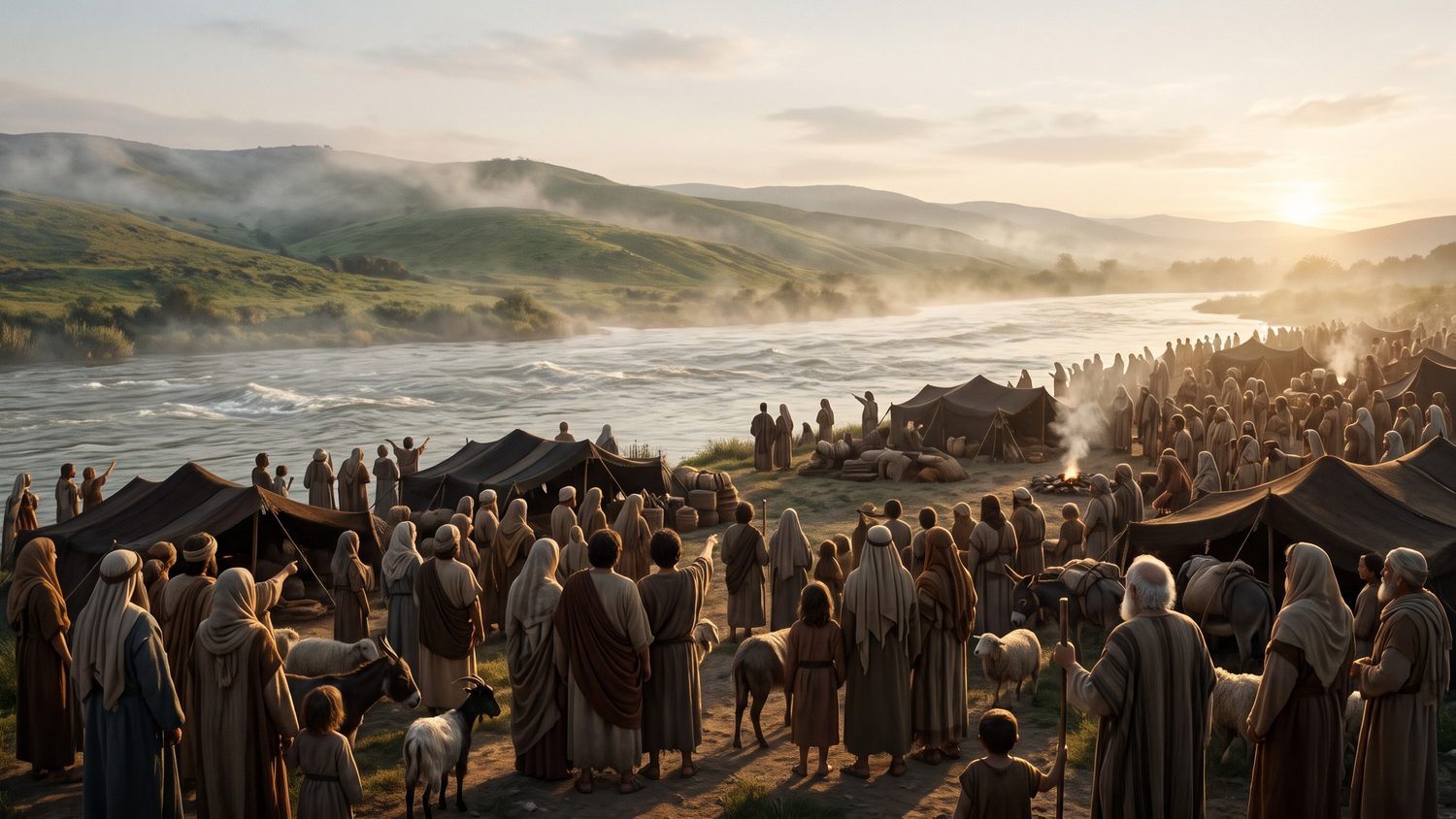
But before “doing” there is a condition that is easy to overlook: we need to know first. If we don’t know the way, we cannot reach the destination. Hosea has a very serious line:
My people are destroyed for lack of knowledge.
Hosea 4:6 (excerpt) · ASV
Without knowledge we do not know how to act; and if we do not act, we do not reach the place God wants us to go. Jesus said:
Not every one that saith unto me, Lord, Lord, shall enter into the kingdom of heaven; but he that doeth the will of my Father who is in heaven.
Matthew 7:21 · ASV
To do “the will of my Father”, we first have to understand what the Father’s will is. The “knowing” here is not the principles of good conduct we already know, such as the classic Chinese virtues of benevolence, righteousness, propriety, wisdom and trustworthiness, but the will God wants us to understand.
Read literally, how do we do it?
Here is the problem: some words in the Bible, read only literally, leave us not even knowing how to “do” them. For example, Jesus said:
And if any man would go to law with thee, and take away thy coat, let him have thy cloak also.
Matthew 5:40 (excerpt) · ASV
Read literally, does that mean handing over both our coat and our cloak? Or again:
And if thy right eye causeth thee to stumble, pluck it out, and cast it from thee: for it is profitable for thee that one of thy members should perish, and not thy whole body be cast into hell.
Matthew 5:29 · ASV
Are we really meant to pluck out an eye? If we stop at the letter of these two sayings, not only can we not carry them out, we can easily misread them. Paul explained why long ago: ministers of the new covenant are “not of the letter, but of the spirit: for the letter killeth, but the spirit giveth life” (2 Corinthians 3:6).
So to do what it says, we first need to see the meaning behind the letter. That is the “spirit” we talked about in “How do you read the Bible so it makes sense?”
The veil covers the eyes of the heart
How can we see the spirit? Paul explains with the veil over Moses’ face:
But their minds were hardened: for until this very day at the reading of the old covenant the same veil remaineth, it not being revealed to them that it is done away in Christ. But unto this day, whensoever Moses is read, a veil lieth upon their heart. But whensoever it shall turn to the Lord, the veil is taken away.
2 Corinthians 3:14–16 · ASV
While the veil remains, the reader sees only the words on the surface; whenever the heart turns to the Lord, the veil is taken away. Paul goes on:
Now the Lord is the Spirit: and where the Spirit of the Lord is, there is liberty.
2 Corinthians 3:17 · ASV
Where the Spirit of the Lord is, there is liberty. This veil cannot be lifted by our own effort; we first need to ask God, as we saw in “How do you read the Bible so it makes sense?”
- Step 1Know“My people are destroyed for lack of knowledge”
Hosea 4:6 - Step 2Understand the spiritThe letter killeth, the spirit giveth life
2 Corinthians 3:6 - Step 3The veil liftedTurning to the Lord, the veil is taken away
2 Corinthians 3:16 - ThenDo his willHe that doeth the will of my Father
Matthew 7:21
Nicodemus: he saw the signs, but not the kingdom
We met Nicodemus in “If I believe in Jesus, am I saved?”. He was a Pharisee and a ruler of the Jews (John 3:1), and he came to Jesus by night and said:
No one can do these signs that thou doest, except God be with him
John 3:2 (excerpt) · ASV
What he saw were the signs Jesus did. But Jesus answered him about something else:
Except one be born anew, he cannot see the kingdom of God.
John 3:3 (excerpt) · ASV
Signs are the outside, which the eyes can see; the kingdom of God can only be seen with the eyes of the spirit. In Matthew 7 there are also people who say: “did we not prophesy by thy name, and by thy name cast out demons, and by thy name do many mighty works?” (7:22).
Prophesying, casting out demons, doing mighty works: from the outside it all looks very devoted. Yet what Jesus looks for is whether we do the will of the Father. People are easily drawn by outward things: miracles, titles, reputation. What the Bible wants us to see is the word within. We also looked at this in “Are only a few saved?”
The blind guiding the blind: first admit we cannot see
Jesus used “blind guides” to describe another situation:
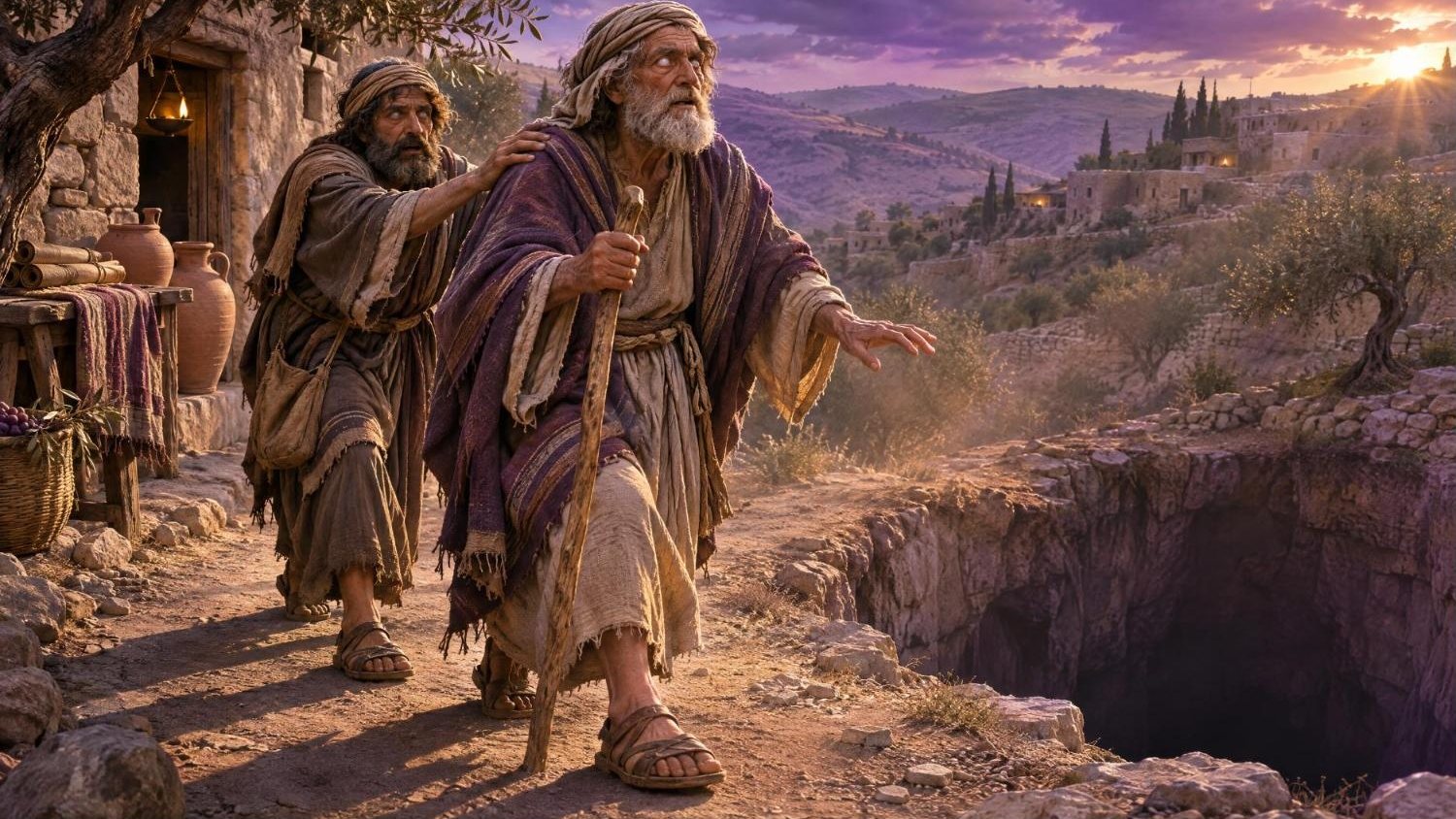
Let them alone: they are blind guides. And if the blind guide the blind, both shall fall into a pit.
Matthew 15:14 · ASV
The one leading cannot see clearly, and neither can the one following, so they fall into the pit together. The real trouble is not being unable to see, but not knowing that we cannot see. Revelation has this line:
Because thou sayest, I am rich, and have gotten riches, and have need of nothing; and knowest not that thou art the wretched one and miserable and poor and blind and naked…
Revelation 3:17 · ASV
Someone who knows they are ill goes to see a doctor; someone who thinks they are fine does not. Reading the Bible is the same: whoever feels “I already understand” will not ask God to open their eyes. That is why “How do you read the Bible so it makes sense?” says we first need to set aside “I already know this”.
These words are first of all for looking at ourselves: are there places where I think I can see, but actually do not understand?
The eye is the lamp of the body
Isaiah has a line that connects the “eyes” with the “prophets”:
For Jehovah hath poured out upon you the spirit of deep sleep, and hath closed your eyes, the prophets; and your heads, the seers, hath he covered.
Isaiah 29:10 · ASV
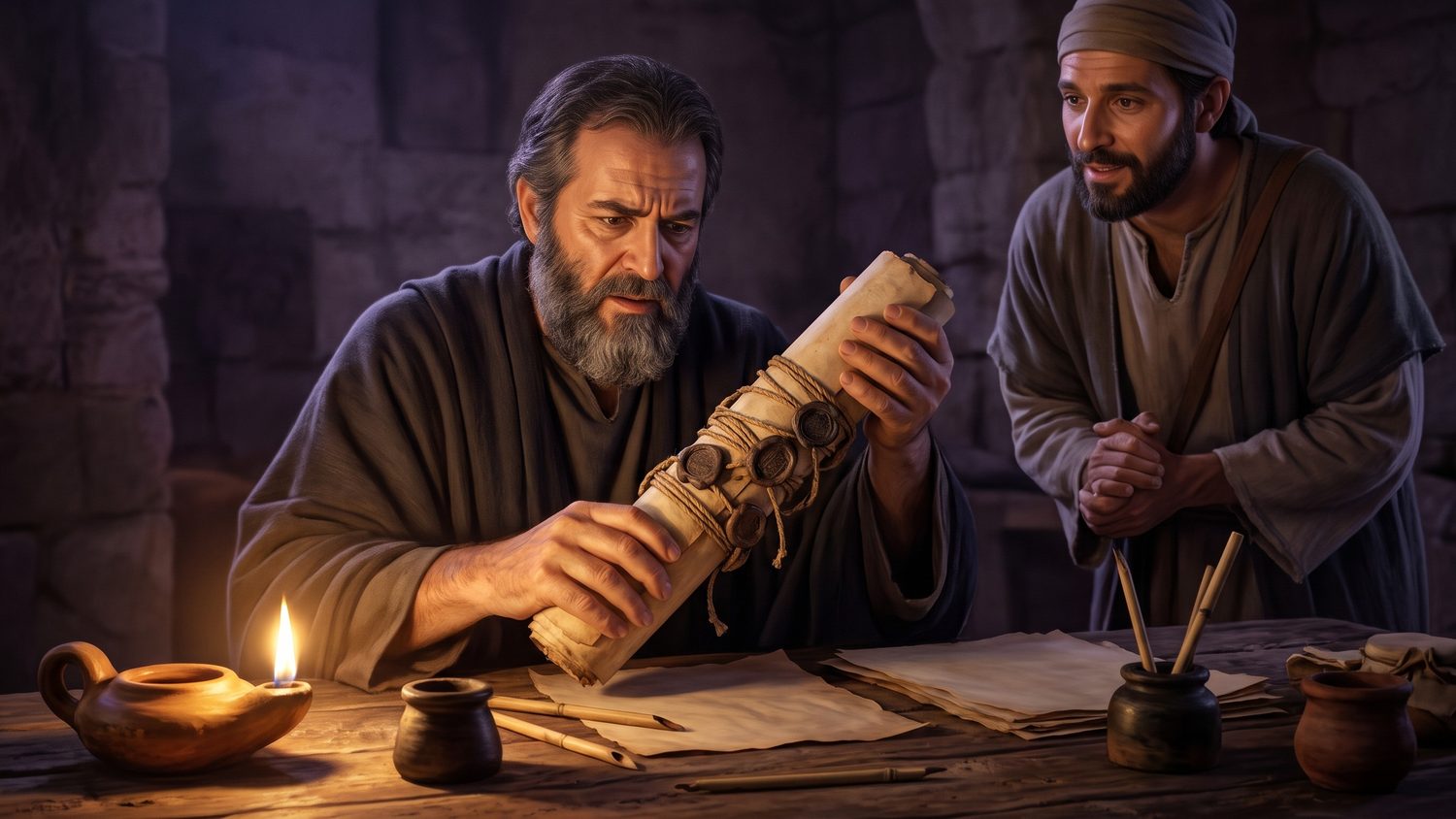
It goes on to say that every vision is to them like a sealed book: give the book to someone who can read, and he says, “I cannot, for it is sealed” (29:11, excerpt). The book is right in front of them, yet they cannot read it.
Jesus also said:
The lamp of the body is the eye: if therefore thine eye be single, thy whole body shall be full of light. But if thine eye be evil, thy whole body shall be full of darkness. If therefore the light that is in thee be darkness, how great is the darkness!
Matthew 6:22–23 · ASV
Put the two passages together and we can understand it like this: the eye is to the body what a lamp is; and the prophets and seers are like eyes to those who follow them. If the eye is sound, the whole body is full of light; if it is not, the whole body is full of darkness. So the blindness the Bible speaks of is not a problem with the eyes; it is failing to understand God’s word.
The good news is that eyes can be opened. The account of Jesus opening a blind man’s eyes is in John 9, and we look at it next: “Why did Jesus put clay on a blind man’s eyes?”
Something to think about
- Of the things I want to “do” right now, are there any where I am not yet sure what God’s will is?
- When I read the Bible, do I just read the literal words, or do I first ask: what does this sentence want me to see?
- If there are things I cannot understand, am I willing to admit “I cannot see” and ask God to open my eyes?