Narrated in English, with English subtitles. The pictures are illustrations; Scripture is quoted from the ASV. See the full article below.
- 1Reading a lot is not the same as understandingThe most dangerous thing is to think we already understand.2 Timothy 3:7Acts 13:27Matthew 22:29
- 2Get the purpose right firstTo understand the will of the Lord and be saved out of an evil age.Ephesians 5:17
- 3Step one: ask GodAsk him for a spirit of wisdom and revelation, to open our hearts to understand.Deuteronomy 29:4Ephesians 1:17
- 4Step two: see the spiritThe letter killeth, the spirit giveth life; the veil covers the eyes of the heart.2 Corinthians 3:62 Corinthians 3:14–16
- 5The veil removed, the light seenThis light is the word of God; it is seeing Christ.Psalm 119:130John 1:42 Corinthians 4:6
- 6Understanding is itself a blessingBlessed are the eyes and ears that see and hear.Matthew 13:16–17
Why can we read for years and still not understand?
People often say they have read the Bible many times and still don’t understand what it is saying. The Bible speaks about this very directly:
Ever learning, and never able to come to the knowledge of the truth.
2 Timothy 3:7 · ASV
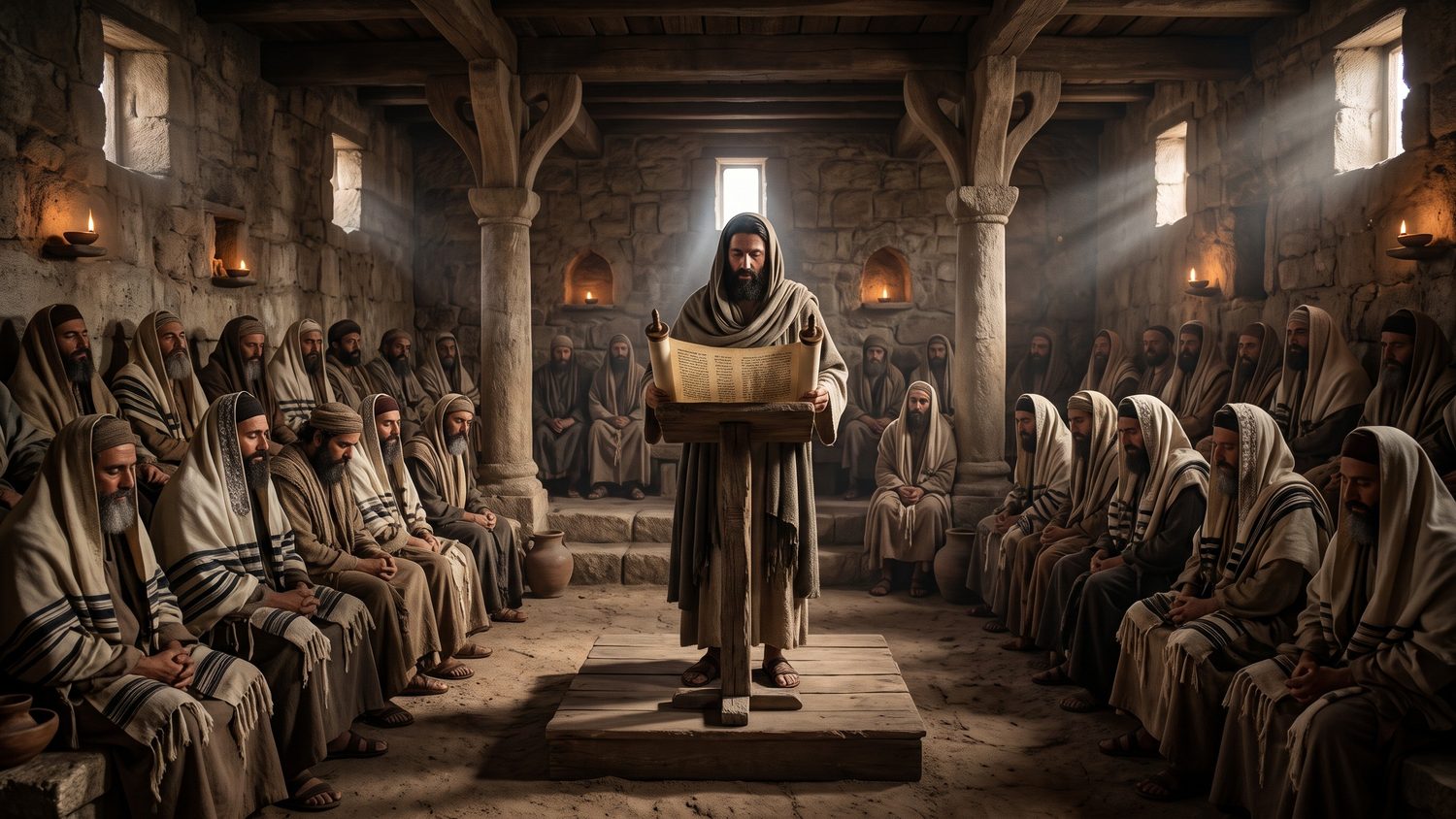
In Jesus’ day there were also people who heard the Scriptures read every week. Acts records that the people of Jerusalem and their rulers condemned Christ “because they knew him not, nor the voices of the prophets which are read every sabbath” (Acts 13:27, excerpt). Jesus also told people: “Ye do err, not knowing the scriptures, nor the power of God.” (Matthew 22:29)
This is the easiest thing to overlook: reading a lot is not the same as understanding, and the most dangerous thing is to think we already understand. It is like someone who is ill but does not feel ill: they never go to see a doctor.
Get the purpose right first: to be made wise unto salvation
Ephesians says: “redeeming the time, because the days are evil” (5:16), and then goes on:
Wherefore be ye not foolish, but understand what the will of the Lord is.
Ephesians 5:17 · ASV
So we read the Bible not to collect a little more knowledge, but to understand the will of God and be saved out of an evil age. Paul himself said: “The Lord will deliver me from every evil work” (2 Timothy 4:18, excerpt). We looked at this purpose in “What is the purpose of studying the Bible?”
Step one: ask God to open our hearts to understand
The Bible openly admits that understanding is not something we can achieve by our own cleverness. The generation Moses led were God’s own people, and yet the Bible says:
But Jehovah hath not given you a heart to know, and eyes to see, and ears to hear, unto this day.
Deuteronomy 29:4 · ASV
So Paul prayed for the church like this:
That the God of our Lord Jesus Christ, the Father of glory, may give unto you a spirit of wisdom and revelation in the knowledge of him
Ephesians 1:17 (excerpt) · ASV
Notice the words “the knowledge of him”. Where there is real knowledge, there can also be the feeling that we already know. The Pharisees knew the Scriptures thoroughly, yet did not recognise the Christ standing in front of them. Whoever reads the Bible needs first to set aside “I already know this” and replace it with “please help me understand”.
Step two: see the spirit behind the letter
Paul says that ministers of a new covenant are “not of the letter, but of the spirit: for the letter killeth, but the spirit giveth life” (2 Corinthians 3:6). What is the difference between the letter and the spirit? He explains it with the veil over Moses’ face:
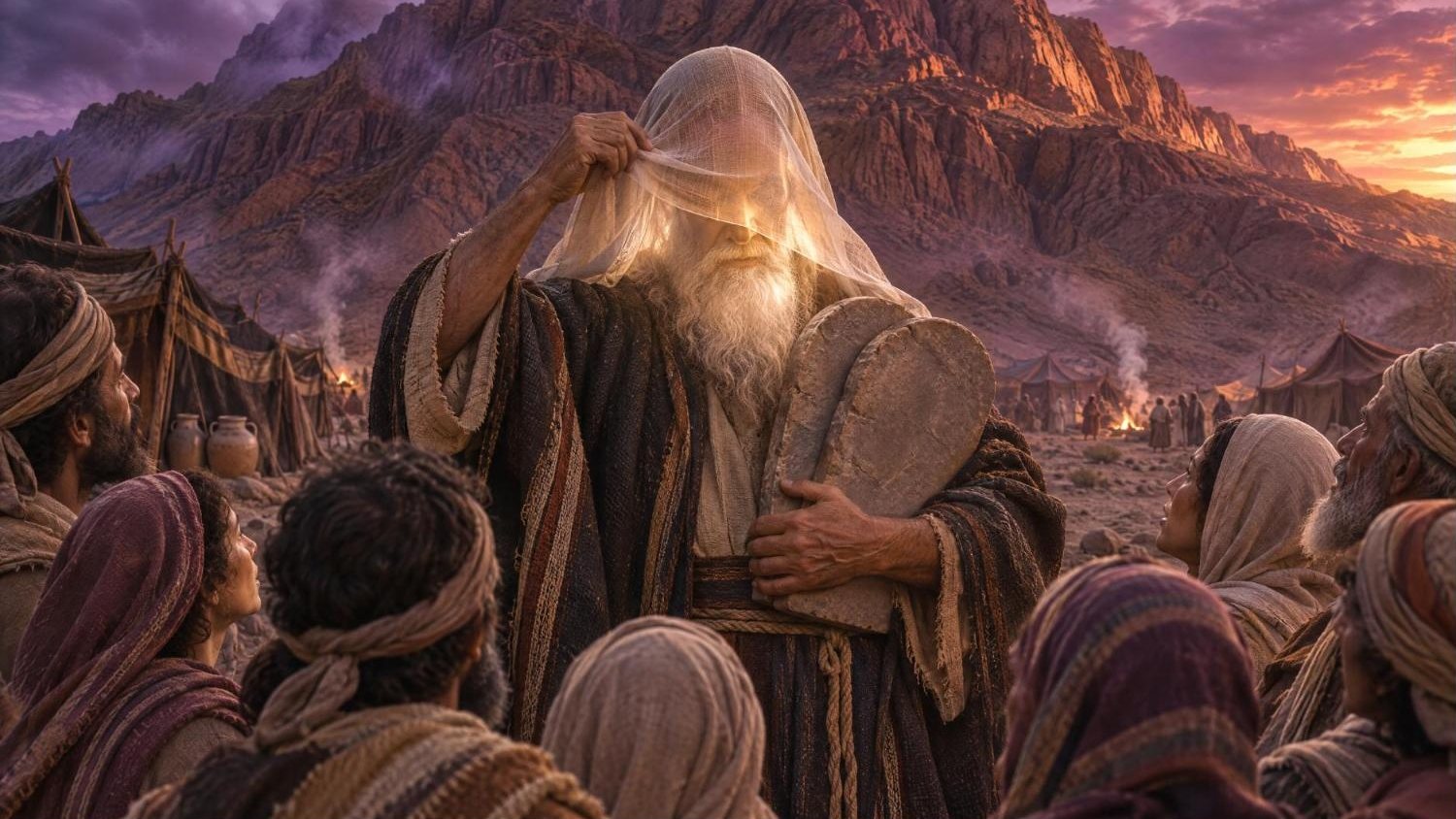
But their minds were hardened: for until this very day at the reading of the old covenant the same veil remaineth, it not being revealed to them that it is done away in Christ. But unto this day, whensoever Moses is read, a veil lieth upon their heart. But whensoever it shall turn to the Lord, the veil is taken away.
2 Corinthians 3:14–16 · ASV
The veil covers the eyes of the reader’s heart, so that we see only the words on the surface and not the word of God behind them. The veil usually takes one of two forms:
- Stopping at the letter. Reading the words on the surface again and again, without asking: what does God want me to see behind this sentence?
- Reading through the ideas we already have. We come with a set of beliefs already in place, use the Bible only to check them, and assume we knew it all along. This one is the hardest to notice, because the veil is over our own face and we cannot see it.
So if we keep learning and still don’t understand, it is not necessarily that we have not tried hard enough. It may be a reminder that the veil is still there.
What do we see once the veil is removed?
When the veil is removed, the first thing we see is light. The psalm says:
The opening of thy words giveth light; It giveth understanding unto the simple.
Psalms 119:130 · ASV
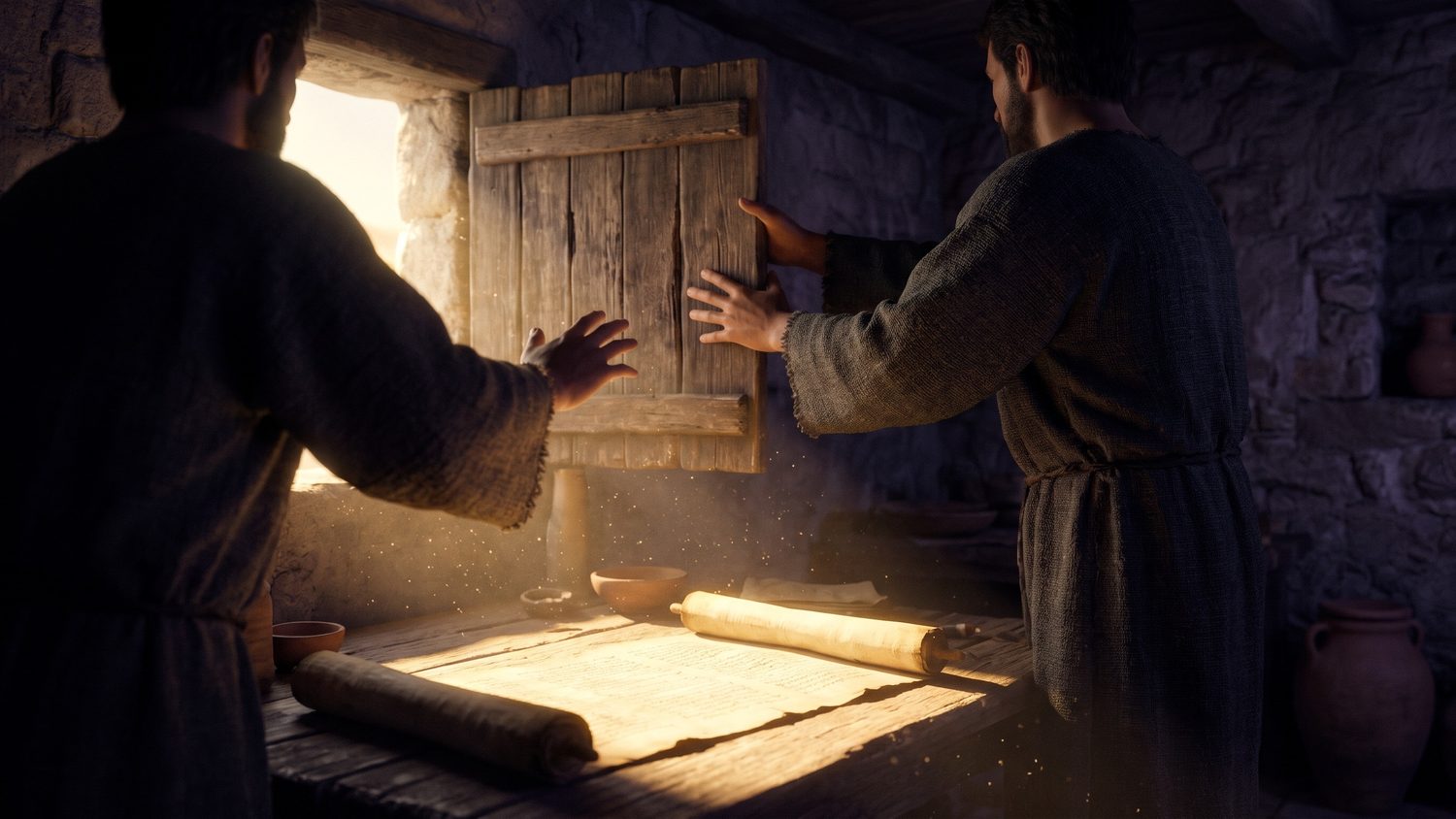
What is this light? John’s Gospel says the Word was God, and “in him was life; and the life was the light of men” (John 1:4). Paul also says: “Seeing it is God, that said, Light shall shine out of darkness, who shined in our hearts, to give the light of the knowledge of the glory of God in the face of Jesus Christ” (2 Corinthians 4:6). So the light here is not brightness seen by the eyes; it is the word of God, it is seeing Christ.
This is where the letter and the spirit part ways: the letter stays on the page, while the spirit is the word within the letter, and the leading of the Holy Spirit. The Bible says “the Spirit is the truth” (1 John 5:7, excerpt), and also:
Now the Lord is the Spirit: and where the Spirit of the Lord is, there is liberty.
2 Corinthians 3:17 · ASV
| Aspect | Reading only the letter | Reading for the spirit |
|---|---|---|
| What we receive | The letter killeth2 Corinthians 3:6 | The spirit giveth life2 Corinthians 3:6 |
| The veil on the heart | A veil lieth upon their heart2 Corinthians 3:15 | Turning to the Lord, the veil is taken away2 Corinthians 3:16 |
| The result | Ever learning, never able to come to the knowledge of the truth2 Timothy 3:7 | Light shines in our hearts: the light of the knowledge of the glory of God2 Corinthians 4:6 |
The veil is not something we can remove just because we want to. Isaiah says:
Seek ye Jehovah while he may be found; call ye upon him while he is near…
Isaiah 55:6 · ASV
There is a time for the veil to be removed, and a path to walk step by step. That is exactly what we look at together in our topic classes.
Understanding is itself a blessing
Jesus said to his disciples:
But blessed are your eyes, for they see; and your ears, for they hear. For verily I say unto you, that many prophets and righteous men desired to see the things which ye see, and saw them not; and to hear the things which ye hear, and heard them not.
Matthew 13:16–17 · ASV
Put together, the order is this: we ask God; he gives a spirit of wisdom and revelation; our eyes are opened, the veil is removed, and only then comes real knowledge. So there is no need to panic, and no need to force it. First set aside “I already understand”, ask God, and then, little by little, learn to see the spirit within the letter. How far along the path are we saved? We continue in the next article, “If I believe in Jesus, am I saved?”
Something to think about
- When I read the Bible, do I come with “I already know”, or with “please help me understand”?
- Where I don’t understand, is it because the words are hard, or because I am reading through the ideas I already have?
- Am I willing to ask God to open my eyes and ears?